
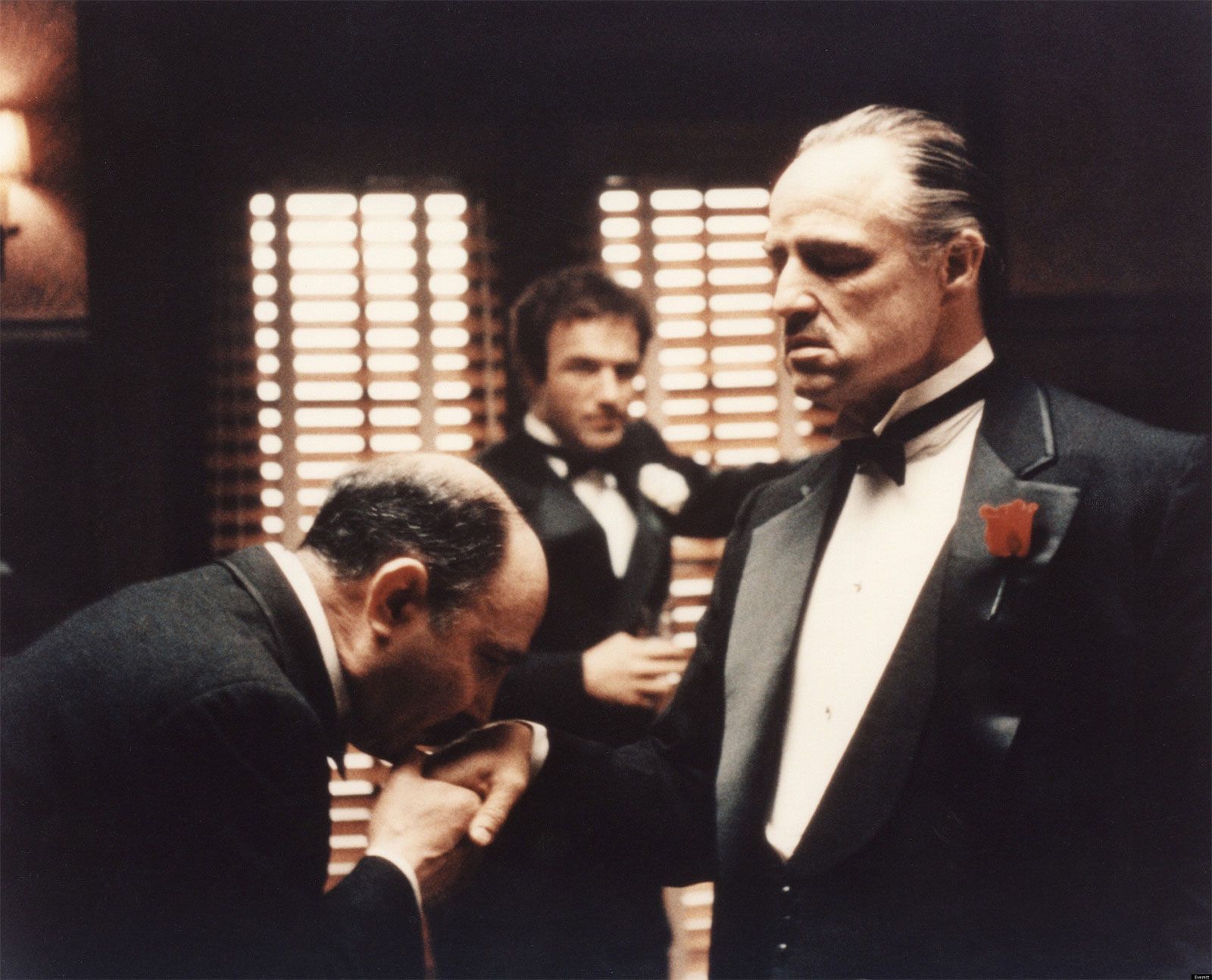
Clean Look” Kill Cinematography?
Feb 22 2026
Does the “Clean Look” Kill Cinematography?
In an era of 12K resolution and mathematically perfect sensors, has the soul of the image been sacrificed at the altar of clarity?
This summary challenges the industry’s obsession with technical perfection and calls for a return to “emotional geometry.”
The Core Argument: Neutrality vs. Personality
Modern cinema is undergoing a “standardization of imagination.” While we have more dynamic range than ever before, the default “clean look” of modern sensors (Alexa 35, Venice 2, V-Raptor) often results in a visual clinicalness.
* The Trap of Neutrality: Modern tools are designed to be safe and neutral for post-production. But if every cinematographer starts at the same neutral baseline, the end results inevitably begin to look the same.
* The Loss of Texture: We have traded the unpredictable “breathing” of vintage glass and the chemical soul of film for edge-to-edge sharpness.
🔍 Key Takeaways
1. Depth is Not Sharpness
We often confuse high resolution with depth. True depth doesn’t live in the pixel count; it lives in tonal transitions. When we “over-clean” an image to remove noise and grit, we often strip away the emotional density that makes a frame feel alive.
2. The Midtone Manifesto
The most critical lesson for the digital age: Emotion lives in the midtones. Heavy-handed LUTs and aggressive HDR grading often collapse shadows or thin out the mid-range. When you destroy the gradation, you move away from cinema and toward graphic design.
3. The “Safety” of OTT Platforms
Modern cinematography is often “optimized for algorithms.” Streaming platforms prefer safety—balanced highlights and safe skin tones. CJ Rajkumar challenges cinematographers to be brave enough to move beyond this technical safety.
Further considerations
Before you reach for a LUT or a high-spec camera, focus on the fundamentals of visual storytelling:
* Design Light, Not Presets: Build your contrast in physical space before it ever hits the sensor.
* Embrace Imperfection: Atmosphere is often found in the flaws—the lens flare, the negative fill, and the atmospheric density.
* Emotional Geometry: Ask how the composition and lighting support the character’s internal state, not just how “clean” the signal is.
“Cinema was never about perfection. It was about presence. If everything is clean but nothing feels alive, the problem isn’t the sensor—it’s our courage.”
KEY DISCUSSION POINTS
Standardization of Sensors
Most productions today rely on:
ARRI Alexa 35
RED V-Raptor
Sony Venice 2
All deliver:
Extremely clean shadows
Wide dynamic range
Accurate color science
Neutral starting point
📌 Result:
Different productions start from very similar technical baselines.
Earlier film stocks had personality.
Modern sensors aim for neutrality.
Neutrality = Safety.
Safety = Similarity.
Standardization in Optics
Modern lenses are designed for:
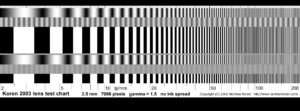
Edge-to-edge sharpness
Minimal distortion
Reduced chromatic aberration
Controlled flare
Older lenses had:
Fall-off
Breathing
Uneven contrast
Emotional imperfections
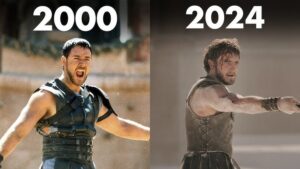
📌 Today’s optics aim for technical perfection.
Perfection reduces character variation.
Standardization in Lighting
The LED revolution changed image texture.
Now we have:
High CRI lights
Precise Kelvin control
RGB tuning
Consistent output
Earlier:
Tungsten varied
HMIs had green shifts
Practical bulbs added unpredictability
Today light is calibrated.
Earlier light had personality.
Consistency improves efficiency.
But it reduces organic variation.
Standardized Delivery & OTT Compression
Modern images must survive:
Rec.709 broadcast
HDR10 mastering
Dolby Vision
OTT compression
Mobile screens
Platforms prefer:
Safe skin tones
Balanced contrast
No crushed blacks
No extreme highlights
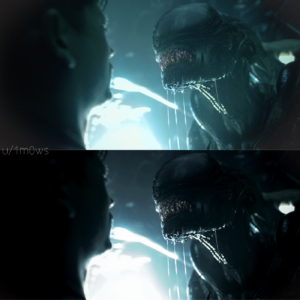
Bold looks often get normalized in delivery.
So cinematography becomes optimized for algorithms, not theatre screens.
The Clean Look Effect
What defines “clean look”?
No grain
No texture
Ultra sharp
High microcontrast
Perfect highlight roll-off
No noise
It looks premium.
But sometimes: It feels emotionally flat.
Why?
Because depth comes from:
Tonal transitions
Atmospheric layers
Imperfections
Gradual highlight-to-shadow roll-off
When everything is ultra-clean: The image becomes technically deep
But emotionally shallow.l
Why Special Looks Lose Depth
When we push:
Heavy LUTs
Strong contrast
Extreme teal-orange
Aggressive sharpening
We compress midtones.
Midtones carry emotional depth.
If midtones collapse: Image becomes graphic — not cinematic.
Sharpness is not depth.
Contrast is not depth.
Texture is depth.
BALANCED VIEW
Clean technology is not the villain.
It gives:
Better VFX integration
HDR flexibility
Safer grading
Reliable exposure
The problem begins when: We depend on cleanliness instead of design
Is cinema becoming too “digitally polite”
SUMMARY
Modern cinematography looks similar because:
Sensors are standardized
Optics are engineered for perfection
Lighting is calibrated and controlled
Delivery platforms normalize contrast
LUT workflows are reused globally
The “clean look” is not killing cinematography.
But over-reliance on cleanliness, neutrality, and safety is reducing visual individuality.
Cinematography is not about perfection.
It is about personality.
The real question is not:
Is the clean look killing cinema?
The real question is:
> Are we brave enough to design images beyond technical safety?
Article by
CJ Rajkumar
Author/ Cinematographer