
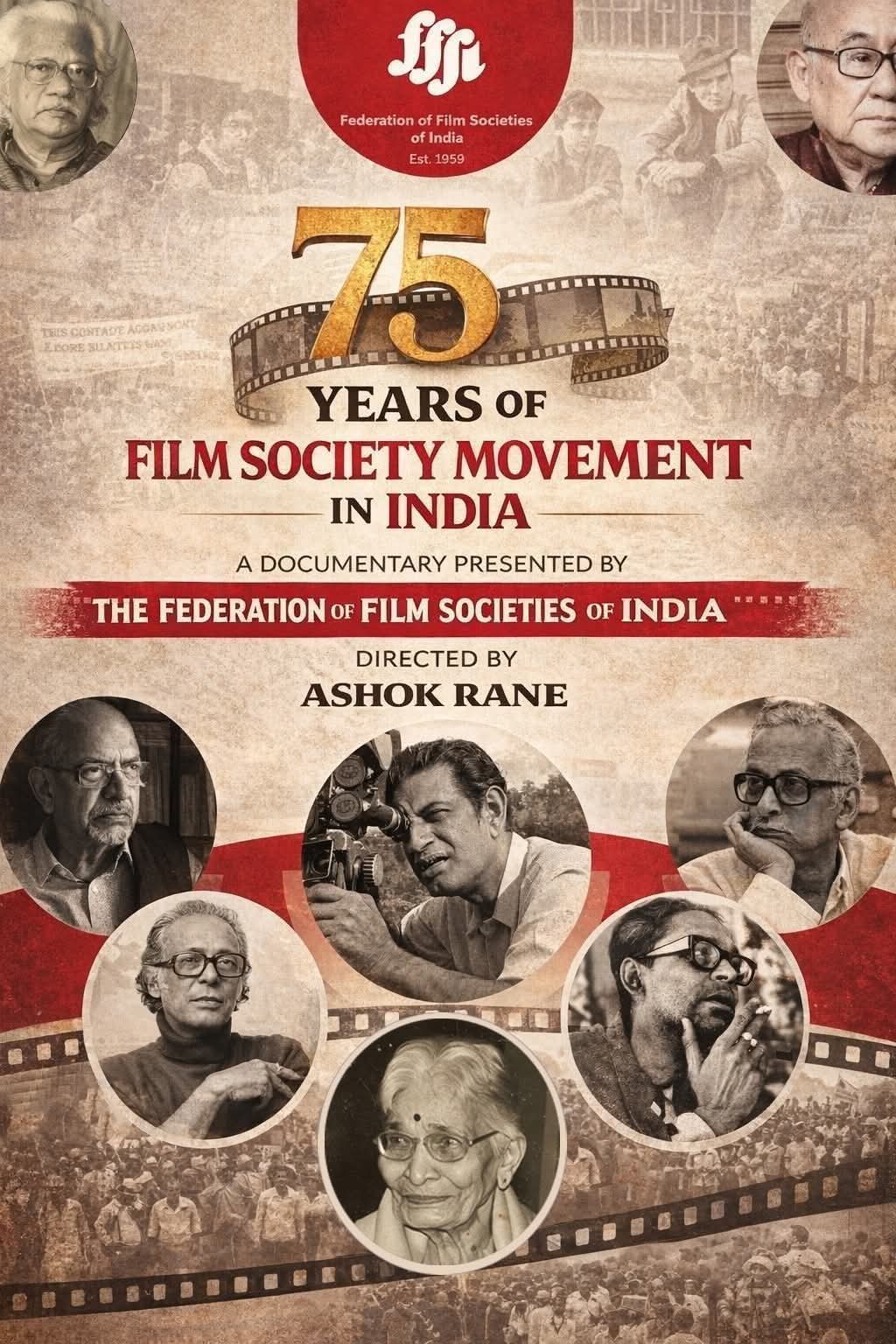
Film Society Movement in India!
Apr 01 2026
🎬 History of the Film Society Movement in India
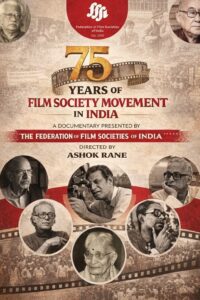
On the eve of more than 75 years of Film society movement to know the history and impact engaged a conversation with Popular writer,director,historian Shri Aranthai Manian,here the experts from his vast experience.
The Film Society Movement in India played a crucial role in shaping cinematic awareness, film appreciation, and the evolution of parallel cinema. It emerged at a time when Indian audiences had very limited access to international films and alternative storytelling styles.
🌍 Origins and Global Influence
The concept of film societies began in Europe, especially in countries like France and the United Kingdom, where cinephiles formed communities to watch, discuss, and study cinema as an art form. These societies focused on screening films that were not part of mainstream commercial distribution.
Inspired by this global movement, Indian filmmakers and intellectuals felt the need to create a similar platform in India.
Beginning in India (1940s)
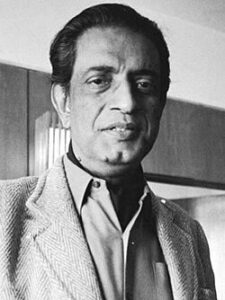
The Film Society Movement in India formally began in 1947, led by visionary filmmaker Satyajit Ray and his associates in Kolkata. Ray, who had been exposed to world cinema during his stay in London—where he watched nearly 100 films in 3 months, including Bicycle Thieves—realized the importance of global cinematic exposure.
He co-founded the Calcutta Film Society, along with figures like Chidananda Dasgupta and others. Their goal was simple yet powerful:
To bring world cinema to Indian audiences and cultivate a deeper understanding of film as an art form.
🎥 Growth and Expansion
The movement quickly gained momentum across India. Film societies were formed in various cities, creating a network of cinephiles and filmmakers.
These societies collaborated with foreign embassies and consulates to obtain prints of international films
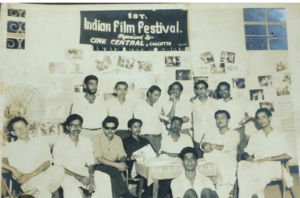
Screenings were followed by serious discussions, critiques, and analysis
It created a film culture beyond commercial cinema
By the 1960s and 70s:
Over 300–400 film societies existed across India
Regions like West Bengal and Kerala saw a strong concentration of film societies
These regions later produced some of India’s finest filmmakers
🏛️ Federation of Film Societies of India (FFSI)
In 1959, the Federation of Film Societies of India (FFSI) was established to unify and support film societies across the country.
It provided access to films
Coordinated screenings
Promoted film appreciation
Connected Indian audiences with global cinema
This institutional support strengthened the movement significantly.
🌟 Impact on Indian Cinema
The Film Society Movement directly influenced the rise of Parallel Cinema in India.
It nurtured legendary filmmakers such as:
Satyajit Ray
Mrinal Sen
Adoor Gopalakrishnan
Shyam Benegal

These filmmakers were deeply influenced by Italian Neorealism, French New Wave, and other global movements, which they accessed through film societies.

📍 Film Society Movement in Madras (Chennai)
In South India, particularly in Madras (now Chennai), the movement was significantly shaped by Aranthai Manian, a noted historian and early pioneer of the Film Society Movement.
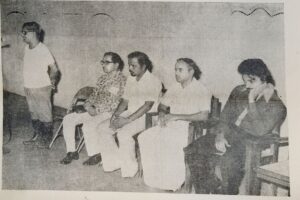
Aranthai Manian currently serving as principal for Cinema Factory Academy is a eminent Author whi has written 33 books on cinema,music and stageplay and was instrumental in:
Establishing early film society culture in Madras
Promoting serious film appreciation among students and intellectuals
Bringing international cinema to Tamil audiences
He was later founding member of the Indo Cine Appreciation Foundation (ICAF) on January 11, 1977, which continues to function actively.
Chennai became an important hub for film society activities
Regular screenings of international films were organized
Discussions, seminars, and film education programs were conducted
Today, ICAF is known for organizing the Chennai International Film Festival, one of the most respected film festivals in India.
🎞️ Kerala and Bengal – Strongholds of Film Culture
The Film Society Movement had a profound influence in:
West Bengal – leading to globally recognized auteurs
Kerala – where even small towns had active film societies
Kerala, in particular:
Developed a strong film appreciation culture
Continues to host the prestigious International Film Festival of Kerala (IFFK)
Receives strong government support
⚠️ Decline and Transformation
With the advent of:
Television
DVDs
Internet
OTT platforms
Access to world cinema has become easier. As a result, the traditional role of film societies has declined.
However, their importance remains historically significant:
They created the foundation for serious cinema appreciation in India.
💡 Conclusion
The Film Society Movement was not just about watching films—it was about understanding cinema as an art, culture, and language.
It:
Opened Indian minds to global storytelling
Inspired generations of filmmakers
Elevated the standard of Indian cinema
Even today, its legacy continues through film festivals, academic programs, and cinephile communities.
Article by
CJ Rajkumar
Author/ Cinematographer