
Melli Irani a tribute by Santosh Sivan!
Mar 19 2026
Legendary Melli Irani: SICA #1
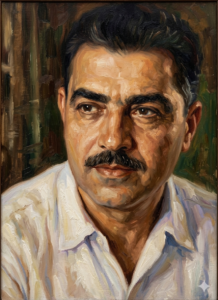
Melli Irani – Living Legend / Master of South Indian Cinematography
🕊️ Passed away on March 19, 2026, at the age of 91
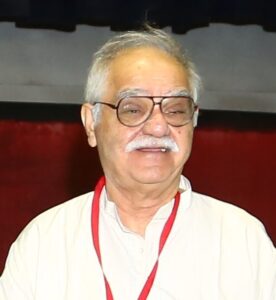
🎥 A Tribute from Santosh Sivan ASC ISC
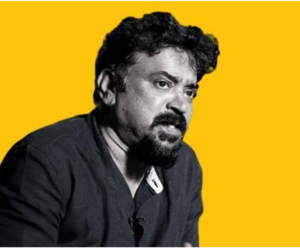
Renowned cinematographer and Cannes Film Festival laureate Santosh Sivan paid a deeply personal tribute, recalling not just Melli Irani, but the powerful cinematic lineage he came from.
Sivan reflected on the roots of Indian cinematography—going back to Melli Irani’s father, Adi Irani, who was part of the historic team behind India’s first talkie:
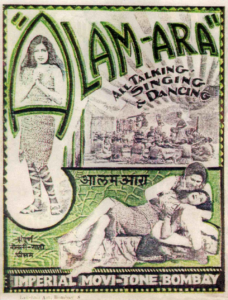
🎬 Alam Ara – The Beginning of Sound in Indian Cinema
Directed by Ardeshir Irani, Alam Ara (1931) marked a revolutionary moment in Indian cinema.
Key Technical & Historical Insights:
🎞️ India’s first talking film, released at Majestic Cinema, Bombay
🎶 Introduced the first on-screen song: “De de khuda ke naam par”
🎥 Cinematography by Adi M. Irani, alongside Wilford Deming
🔊 Shot under extremely challenging early sound-recording conditions
📼 Tragically, the film is now a lost print
—
🧬 Santosh Sivan on Heritage & Craft
Santosh Sivan emphasized that Melli Irani was not just an individual talent—but a continuation of India’s earliest technical foundation in cinema.
> “From handling primitive sound-synced cameras during Alam Ara… to shaping the visual grammar of Malayalam cinema… this is not just a career, it is a legacy of evolution.”
He highlighted how:
Adi Irani worked in an era where camera movement was restricted due to sound recording limitations
Lighting had to be engineered for both exposure and sound clarity
Cinematographers were engineers, inventors, and artists combined
Melli Irani inherited this technical discipline, which later translated into:
Precision in lighting ratios
Strong understanding of lens behavior and exposure
A deep respect for naturalistic storytelling
—
🎥 A Cinematic Legacy Rooted in Heritage
Melli Irani (born August 5, 1932, Bombay) grew up inside cinema itself.
Under the mentorship of his father Adi Irani, he absorbed:
Camera mechanics
Light behavior
Film stock sensitivity
Narrative visualization
This foundation shaped a cinematographer who would later quietly redefine visual storytelling in South India.
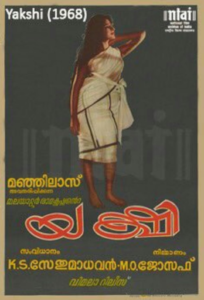
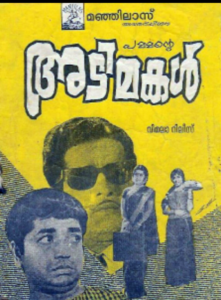
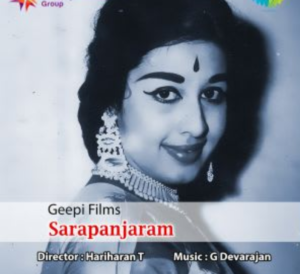
🌄 The Rise in Malayalam Cinema
His debut in Malayalam cinema with Gnanasundari (1962) marked the beginning of a new visual language.
🎬 Notable Works:
Yakshi (1968) – Psychological depth through shadow
Adimakal (1969) – Raw social realism
Anubhavangal Paalichakal (1971) – Political intensity
Sarapancharam (1979) – Bold tonal imagery
Panchami, Vanadevatha, Inquilab Zindabad – Natural lighting mastery
Over 47 films, he shaped the golden era visual identity of Malayalam cinema.
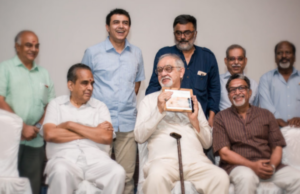
🤝 Legendary Collaborations
🎖️ SICA – Member No. 1
Melli Irani holds the historic identity of Member No.1 of
Southern India Cinematographers Association
A symbolic recognition that he wasn’t just part of the industry—
he helped build its professional foundation.
🔍 Technical Signature
Melli Irani’s craft was defined by:
🎥 Balanced compositions with geometric clarity
💡 Natural lighting and deep focus
🌑 Low-key lighting & shadow play
🌿 Real location shooting authenticity
🎞️ Controlled camera movement in pre-modern setups
His approach reflected discipline inherited from early cinema engineering traditions.
Legacy
From Adi Irani’s era of sound experimentation…
to Melli Irani’s mastery of visual storytelling…
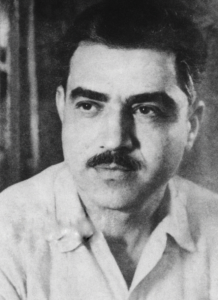
This is a rare generational bridge in Indian cinema history.
Santosh Sivan’s tribute reminds us:
👉 Cinematography is not just evolving technology
👉 It is a continuum of knowledge, discipline, and artistic inheritance
📚 Conclusion
Melli Irani was not loud in fame—but profound in impact.
His frames didn’t shout—they endured.
He remains:
🎥 A technician of truth
💡 A master of light
🕊️ A silent architect of South Indian cinema
Drafted by
CJ Rajkumar
Author / Cinematographer
—