
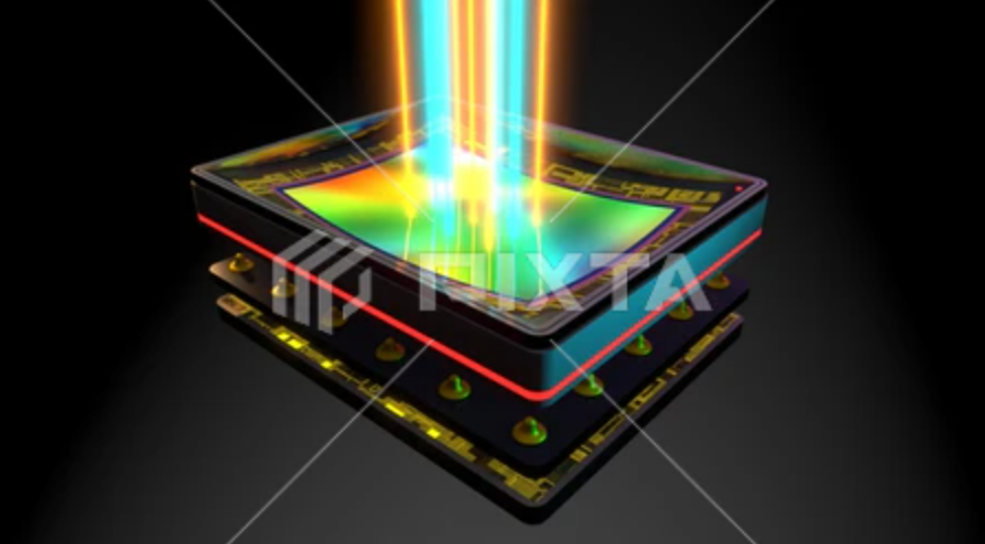
Curved Sensor: Near Future!
Mar 31 2026
The Curve of the Future: Why Cinema’s Next Giant Leap Isn’t Flat
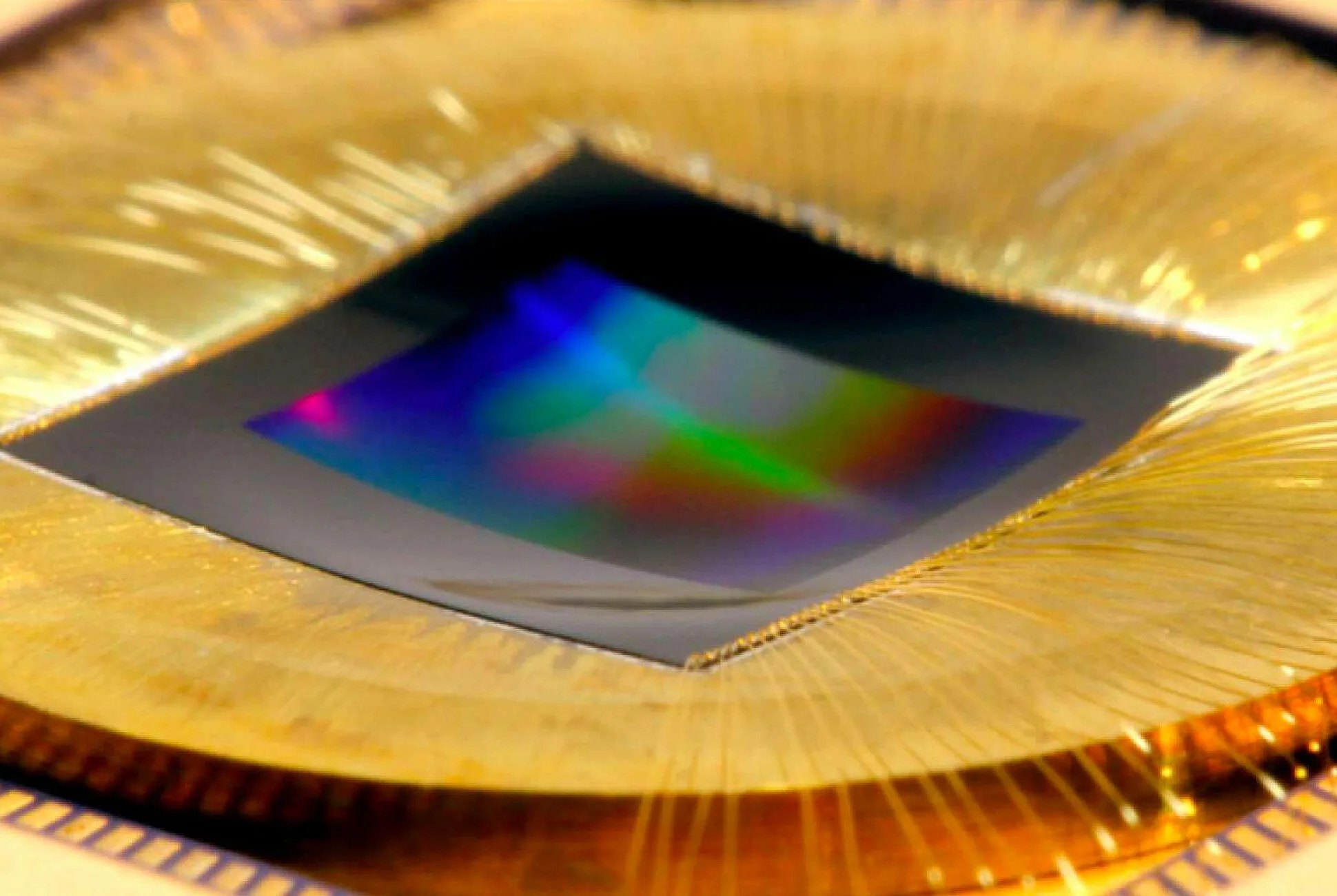
For decades, the “digital revolution” in cinematography has focused on resolution and dynamic range. But we’ve been ignoring a fundamental geometric flaw: we are forcing three-dimensional, curved light onto a two-dimensional, flat plane.
As we push deeper into Large Format (LF) and Infrared (IR) imaging, the limitations of flat sensors are becoming harder to hide with glass alone. The industry is quietly buzzing about a structural shift: Curved Sensors.
The “Petzval” Problem: Why Flat Isn’t Natural
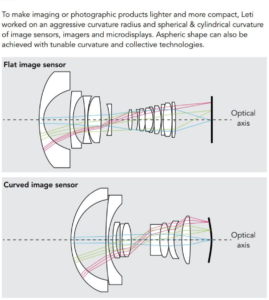
Lenses naturally project light in a curved arc known as the Petzval Field Curvature. In a traditional camera, the sensor is flat, creating a mismatch. To fix this, lens designers have to add heavy, complex “field flattener” elements.
With a curved sensor, the silicon itself matches the light’s behavior. The results?
* Corner-to-Corner Sharpness: No more “mushy” edges on wide-angle large format shots.
* Light Efficiency: Light hits the sensor perpendicularly (telecentricity), even at the extreme edges, reducing vignetting and “smearing.”
* Compact Glass: We can finally stop building 10-pound primes. Lenses can be smaller and faster because they don’t need to fight physics to flatten the image.
The Infrared Edge: A Game Changer for IR Cinematography
Infrared imaging has always been the “problem child” of high-end cinematography. Because IR light has longer wavelengths, it focuses at a different point than visible light (IR Focus Shift).
On a flat sensor, this shift is exaggerated at the edges of the frame, leading to a center that’s sharp but corners that look like a dream sequence. A curved sensor acts as a physical stabilizer for these divergent wavelengths:
* Minimized Hotspots: By ensuring light hits the sensor at a more direct angle, internal reflections—the primary cause of IR “hotspots”—are drastically reduced.
* Focus Consistency: The curvature helps align the focal planes of various wavelengths more closely, making hybrid (Visible + IR) shooting much more predictable.
The State of Development: Are We There Yet?
While Sony and CEA-Leti have demonstrated functional prototypes, and HRL Laboratories recently reached a milestone in 2024 for curved IR sensors funded by DARPA, we haven’t seen a “VENICE Curve” or “ALEXA Arc” just yet.
The Hurdles:
* The Lens Catch-22: Current PL and LPL mount lenses are designed to flatten the image. Using them on a curved sensor would actually worsen the image. A curved sensor ecosystem requires a new generation of dedicated “curved-plane” glass.
* Thermal Management: Thinned, curved silicon is more sensitive to heat. For a cinema camera shooting 8K RAW, keeping that curved surface cool is a major engineering mountain.
The Takeaway
Curved sensors aren’t just a “spec bump”—they represent a move toward organic imaging. By aligning the sensor with the physics of light rather than fighting it, we open the door to smaller rigs, faster apertures, and a level of edge-to-edge clarity that flat sensors simply cannot achieve.
For the cinematographer, it means the image will finally look more like the way the human eye sees—natural, immersive, and effortlessly sharp.
“Curved sensors align with the natural arc of light, eliminating the need for bulky lens corrections and solving the focus and hotspot issues inherent in Large Format and Infrared cinematography.”
Article drafted by
CJ Rajkumar
Author/ Cinematographer