
Cannes 2026 winners !
May 24 2026
The 2026 Cannes Film Festival became one of the most politically and artistically discussed editions in recent years. The festival celebrated bold auteur cinema, emerging voices, and socially rooted storytelling from countries often underrepresented in world cinema. A major highlight was the historic breakthrough for Nepal.

Major Winners – Cannes Film Festival 2026
Palme d’Or
“Fjord” by Cristian Mungiu (Romania) won the top prize
The film explored cultural and moral conflict inside a Romanian immigrant family living in Norway.

Grand Prix
“Minotaur” by Andrey Zvyagintsev (Russia)
Jury Prize
“The Dreamed Adventure” by Valeska Grisebach (Germany)
Best Director
Shared by:
Pawel Pawlikowski – Fatherland/Los Javis – The Black Ball

Best Actress
Shared by: Virginie Efira/Tao Okamoto
for All of a Sudden
Best Actor
Shared by:Valentin Campagne/Emmanuel Macchia
for the war drama Coward
Un Certain Regard Highlights
This section became one of the strongest attractions this year because many films came from new cinematic voices and politically sensitive regions.
Best Film
“Everytime” by Sandra Wollner (Austria)
Jury Prize
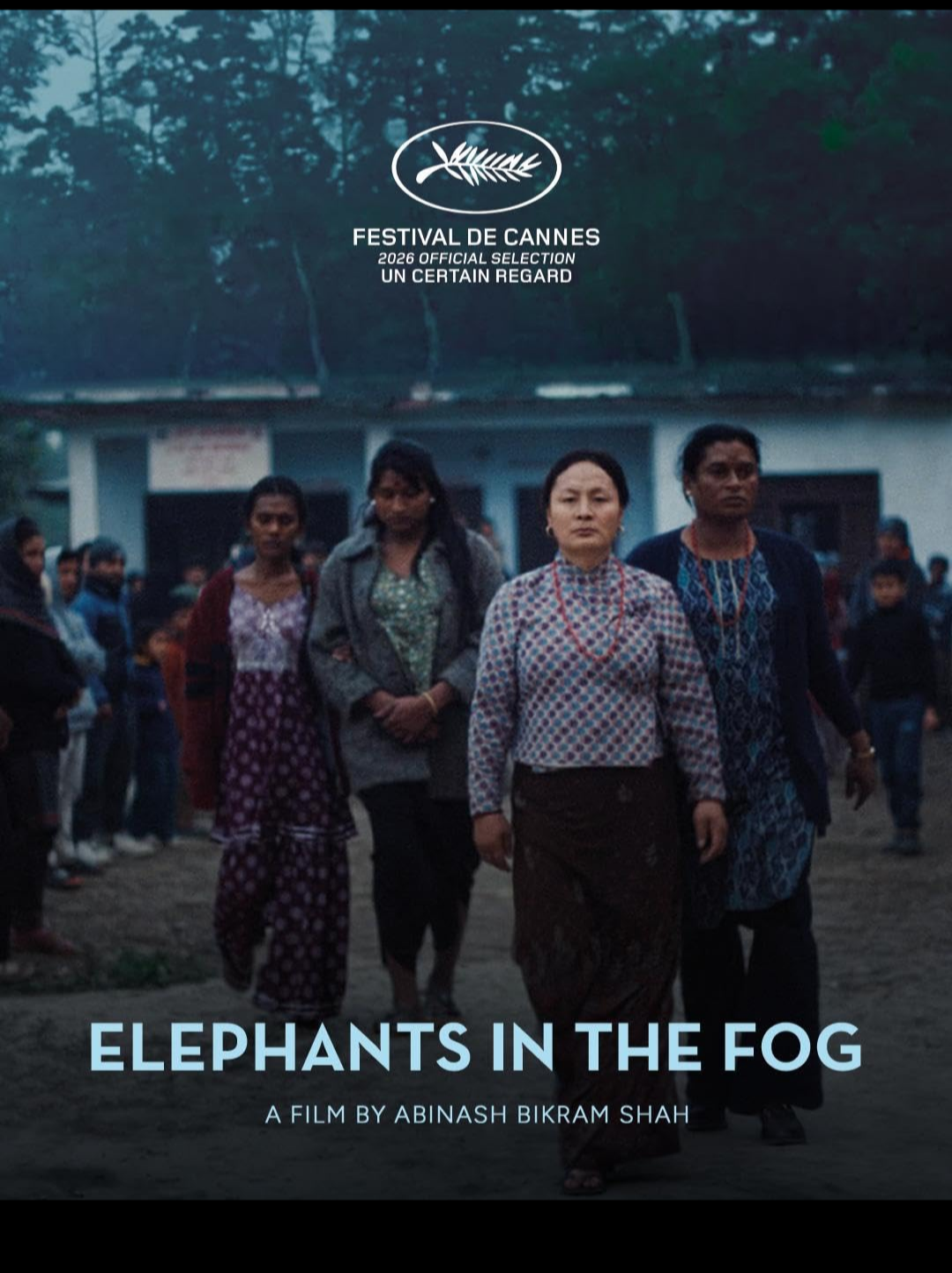
“Elephants in the Fog” – Nepal
Directed by Abinash Bikram Shah.
Nepal’s Historic Entry – The Biggest Asian Highlight
“Elephants in the Fog” Creates History
The Nepali film “Elephants in the Fog” became:
the first Nepali film ever selected in the Un Certain Regard section
and the first Nepali film to win an award at Cannes.

The film follows transgender women living in Nepal’s Terai region and deals with identity, survival, invisibility, and freedom. The emotionally powerful storytelling received a long standing ovation at Cannes.
Director Abinash Bikram Shah said the award helped “make the invisible visible,” referring to marginalized communities represented in the film.
Impact of Cannes 2026
1. Rise of South Asian Independent Cinema
The recognition for Nepal proved that Cannes is increasingly opening space for South Asian voices beyond India. Smaller industries now have stronger global visibility.
2. Focus on Marginalized Communities
Many award-winning films explored:
gender identity
migration
grief
social alienation
war trauma
cultural displacement
This reflected Cannes’ continued support for cinema with strong humanistic themes.
3. Strong Auteur-Driven Cinema
This year reinforced that Cannes still values:
visual storytelling
slow cinema
strong screenplay structure
emotional realism over commercial spectacle.
4. Emerging Filmmakers Took Center Stage
Several debut and second-feature filmmakers received global attention, especially in Un Certain Regard and Directors’ Fortnight sections.
5. AI and Cinema Discussion
Sandra Wollner, while accepting the Un Certain Regard award, spoke about protecting authentic human storytelling in the age of AI-generated content. That became one of the festival’s most discussed statements.
Why Nepal’s Success Matters to Asian Film Culture
Nepal’s victory is important because:
it proves regional stories can reach global audiences without huge budgets
it encourages independent filmmakers across South Asia
it may attract international co-productions and festival funding for Nepali cinema
it places Kathmandu and Nepal’s film culture into the world festival conversation.
For film students and filmmakers, this is a reminder that authenticity, rooted culture, and emotional honesty still matter deeply in world cinema.
Article by
CJ Rajkumar
Author/ Cinematographer